
In our previous article, we introduced Direct-to-Garment (DTG) printing and Sublimation printing, two of the most common printing methods used in POD (Print on Demand) and dropshipping businesses. These techniques are powerful options depending on your products and customer needs.
Here we’ll dive into two other mainstream printing technologies: Screen Printing and EmbroideryPrinting. Unlike DTG and Sublimation, these methods can be applied to a wider range of materials and product shapes. If you’re looking to expand your product line or diversify your POD catalog, these printing techniques may be exactly what you need to meet your customers’ demands and scale your dropshipping business.
What is Screen Printing?
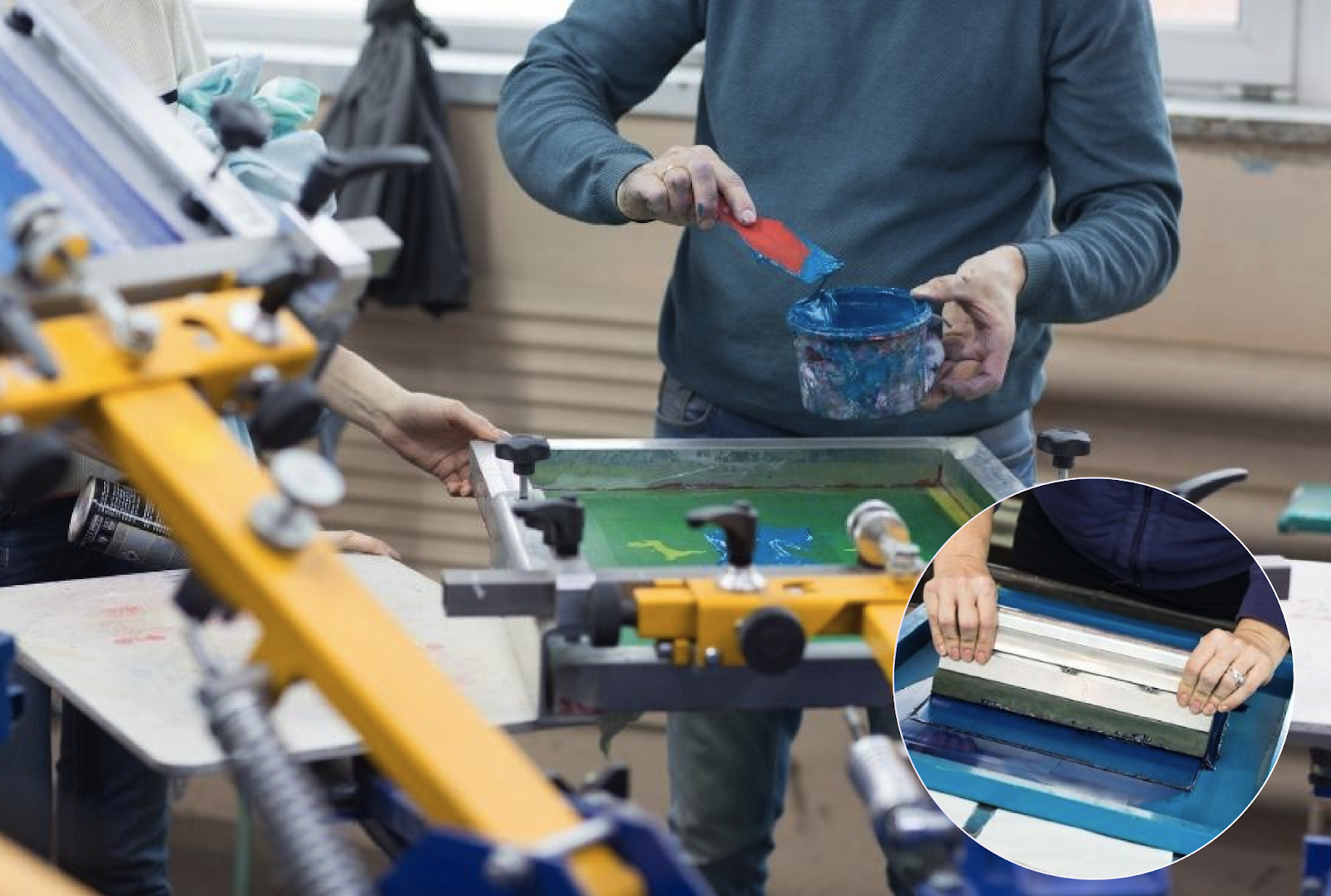
Screen printing is a printing technique that uses a mesh screen as the base plate. Through a photosensitive stencil-making process, the design or pattern is transferred onto the screen, creating a screen printing plate. The method involves five essential elements: the screen printing plate, squeegee, ink, printing table, and substrate (material being printed).
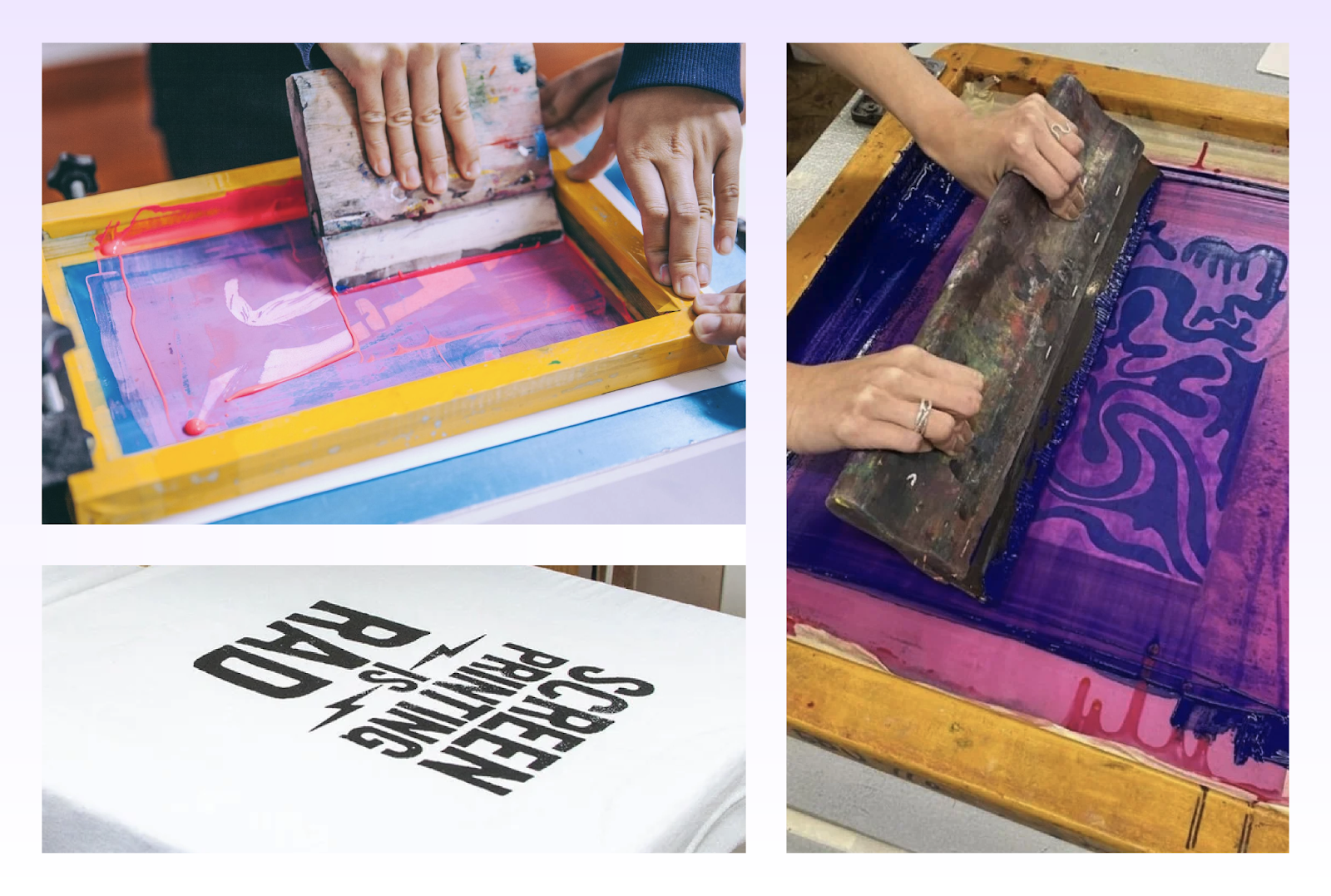
As one of the most widely used printing techniques in both commercial production and artistic creation, screen printing is known for its flexibility. Unlike rigid printing methods, it uses a flexible mesh stencil that does not damage the substrate, making it suitable for both flat surfaces and irregular or textured materials.
Common Applications of Screen Printing
Screen printing is extremely versatile and can be applied to a wide range of materials:
- Textiles:T-shirts, scarves, handkerchiefs, shirts, bed sheets, and more
- Paper:Posters, calendars, magazines, packaging, wallpaper, etc.
- Plastic:Toys, plastic bags, parts, and components
- Metal:Nameplates, utensils, and containers
- Wood:Lacquerware, crafts, signage, woodblock prints, advertising boards
- Glass:Enamel glass, mirrors, and decorative glass
- Ceramics:Mugs, bottles, tiles, and ceramic crafts
How Does Screen Printing Work?
The process of screen printing can be divided into seven main steps:
Step 1: Design Creation
The first step is to create the design. Once finalized, the design is printed onto a transparent acetate film, which will later be used to make the stencil.
Step 2: Selecting and Preparing the Screen
The screen and mesh count are chosen based on the detail level of the design. Higher mesh count means finer detail and more controlled ink application. Lower mesh count stands for larger openings, allowing more ink flow. Once selected, the screen is coated with a light-sensitive emulsion.
Step 3: Emulsion Exposure
The acetate film is placed on the coated screen and exposed to bright light. The light hardens the emulsion, leaving the design area unexposed.
Step 4: Stencil Creation
After exposure, the unhardened emulsion is rinsed away, leaving a clear stencil of the design on the screen.
Step 5: Print Preparation
The substrate (such as fabric, paper, or other materials) is placed flat on the printing board, with the screen positioned above it.
Step 6: Applying the Design
Ink is poured onto the screen. A squeegee is used to evenly press the ink across the stencil, pushing it through the mesh openings and transferring the design onto the material.
Step 7: Heat Curing & Finishing
The printed item is heat-cured using a dryer. This ensures the ink sets properly, preventing the design from fading or peeling.
Key Advantages of Screen Printing
- Superior Print Quality
Screen printing excels in reproducing intricate details with vibrant, long-lasting colors. The inks used provide excellent saturation, ensuring vivid and durable designs. - Cost-Effective for Large Volumes
Once a stencil is created, it can be reused across a large number of items. This reduces costs for bulk production and makes screen printing highly efficient for high-volume orders. - Wide Range of Applications
Screen printing isn’t limited to paper or textiles. It can be applied to plastics, metals, wood, glass, ceramics, and more—making it a go-to method for product customization across industries. - Flexibility Across Materials
The technique supports various inks, including water-based and plastisol inks. Its flexible stencil allows printing even on delicate surfaces like glass without causing damage. - Efficiency & Sustainability
Stencils can be saved and reused for repeat orders, saving both time and production costs. This improves efficiency while reducing waste, making screen printing a more sustainable choice.
What Is Embroidery Printing?
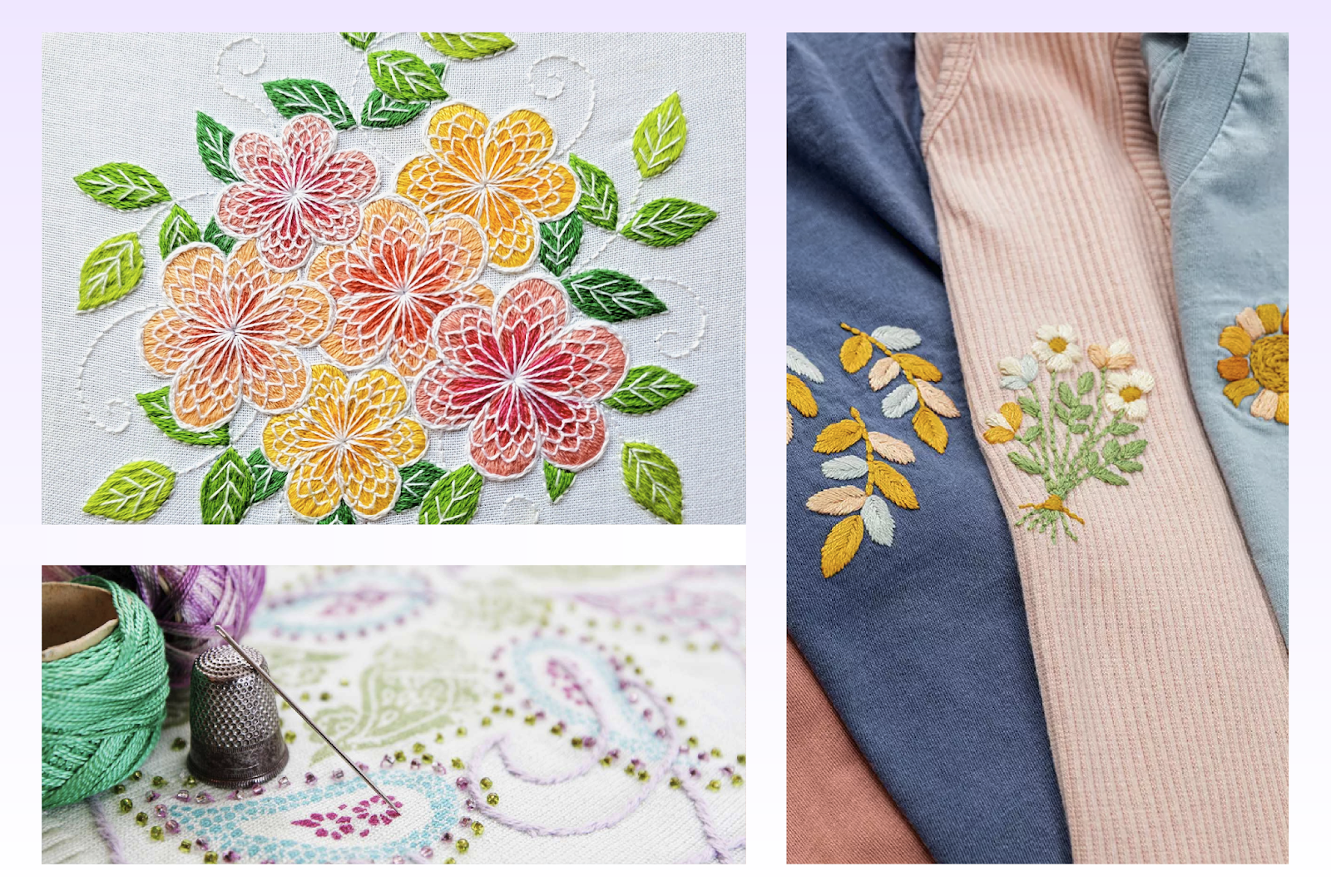
At its core, embroidery is the process of using straight or curved stitches—most commonly satin stitch and lock stitch—to decorate fabric with intricate patterns. Instead of ink or heat, embroidery uses high-quality threads to create durable, three-dimensional logos and designs.
Cost of Embroidery Printing
Unlike screen printing or heat transfer, embroidery costs are not determined by the number of colors in the design. Most embroidery machines allow up to 15 colors at no additional charge, which makes it a cost-effective option for multicolor logos. In addition, bulk orders significantly lower per-unit costs, making embroidery ideal for scaling your POD apparel brand.
Durability and Quality
Embroidery is known for its exceptional durability. The stitched designs are resistant to fading, peeling, or cracking, ensuring a long product lifespan. High-quality threads add a natural sheen, making logos look polished, professional, and eye-catching.
Best Uses for Embroidery
Embroidery works best on heavier fabrics such as polo shirts, jackets, hoodies, and hats. These materials hold the stitches securely and showcase the dimensional effect beautifully. Thinner or lower-quality fabrics are not recommended, as they can wrinkle or distort under the stitching process.
For fashion brands, uniforms, and premium merchandise, embroidery delivers a refined look that elevates your product quality and strengthens your brand image.
Why Choose Embroidery for Your POD Business?
- Fixed pricing regardless of colors used
- Up to 15 colors included in most designs
- Long-lasting, fade-resistant finish
- Premium three-dimensional appearance
- Perfect for polos, outerwear, and headwear
Final Thoughts
This concludes our POD Technology Series, where we introduced screen printing, heat transfer, direct-to-garment (DTG), and embroidery. Each method comes with unique benefits, and the right choice depends on your product type and brand strategy.
If you’re still unsure which POD printing technique best fits your products or if you’d like to test a new method to optimize your current line, our team can help.
At Max Dropshipping, we bring over 8 years of POD fulfillment experience. We’ve partnered with countless brands worldwide, offering in-house POD equipment, fast turnaround times, and reliable dropshipping solutions. Our fulfillment system is built to help you respond quickly to market demand, reduce delivery times, and scale your business successfully.
Get in touch with us today to explore embroidery printing or other POD technologies for your brand.